Material · Research Question
Could Duckweed Pectin Become a Bio-Binder?
14 August 2026

Material · Research Question
14 August 2026
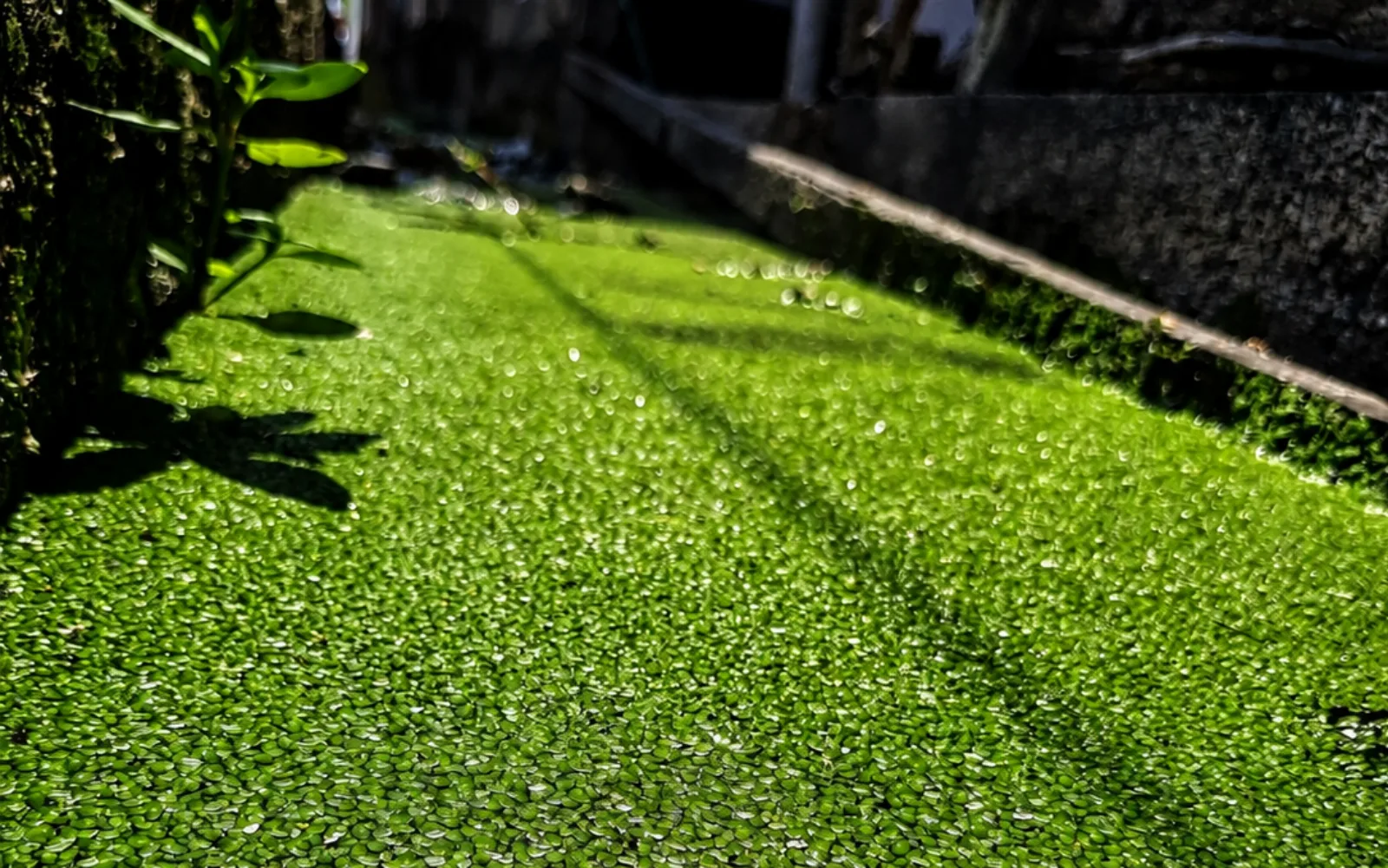
Duckweed is usually discussed in terms of biomass, nutrition, wastewater treatment, or bioenergy.
But there is another way to look at it.
What if part of its value lies in its chemistry?
Studies of duckweed cell walls have identified substantial pectic polysaccharides. In Lemna minor, one study reported approximately 20% pectin in the analysed dry matter, including galacturonan, xylogalacturonan and rhamnogalacturonan. Other studies across duckweed species have also found pectin-rich cell walls, although their composition varies between species.
That raises an interesting material question:
Could duckweed-derived pectin act as a bio-binder?
Not simply as an ingredient, but as something that helps hold fibres, particles or other bio-based components together.
The possibility is chemically interesting because pectins are already known for their ability to form gels, films and networks under suitable conditions. But the presence of pectin does not automatically make a plant extract a useful binder.
There is still much to test.
How does the extracted fraction behave?
How strong is its adhesion?
How does it perform when dry?
What happens when exposed to water?
Can its properties be modified through concentration, plasticization or crosslinking?
And perhaps most importantly:
Can it bind another local biomass into a useful engineered material?
We are not presenting an answer yet.
We are identifying a question worth testing.
Sometimes material development begins not with a product, but with a better question.
More Notes
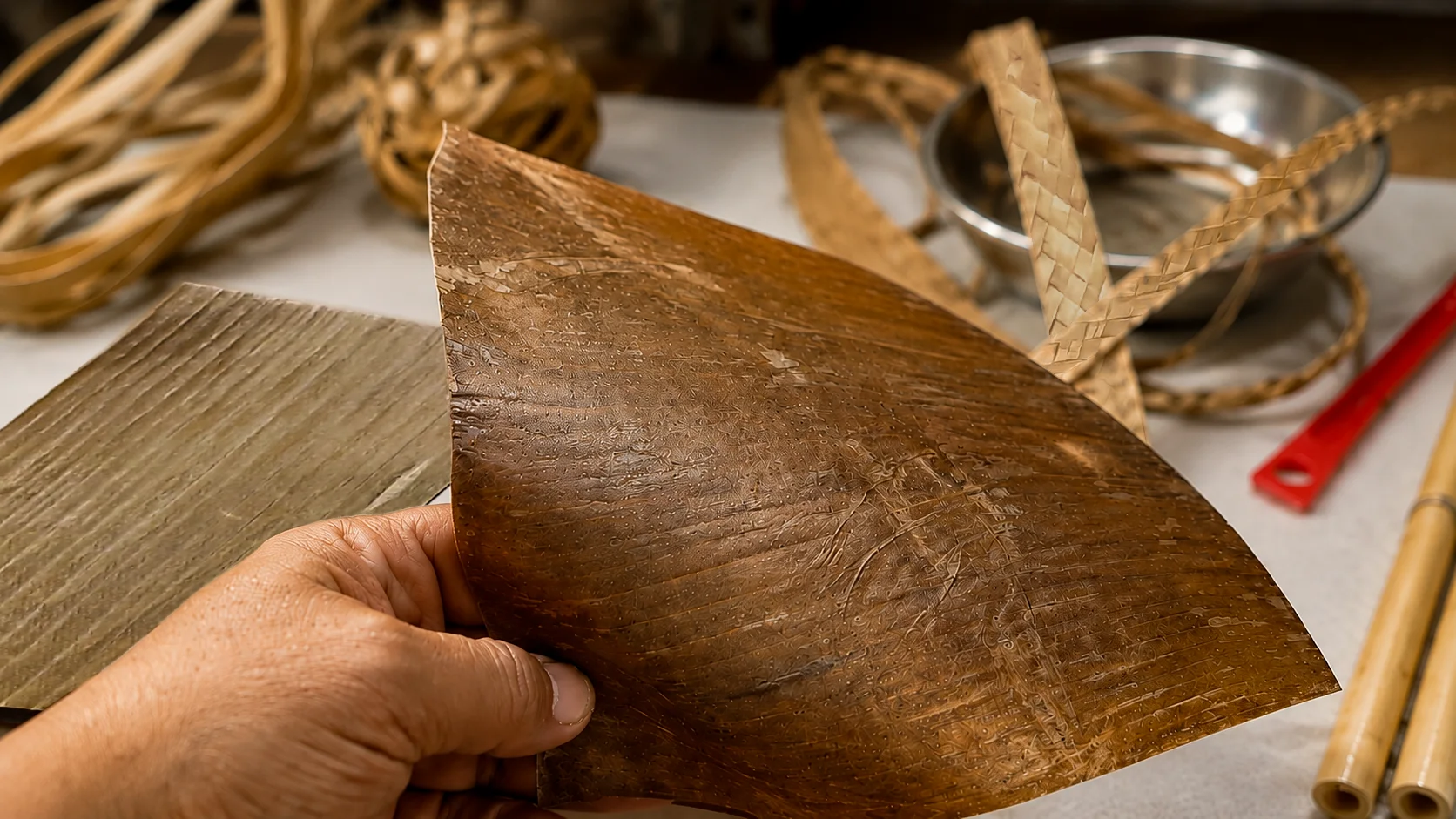
Most product development starts with an object. But what happens when we begin with a material property, a behaviour, or a possibility instead?
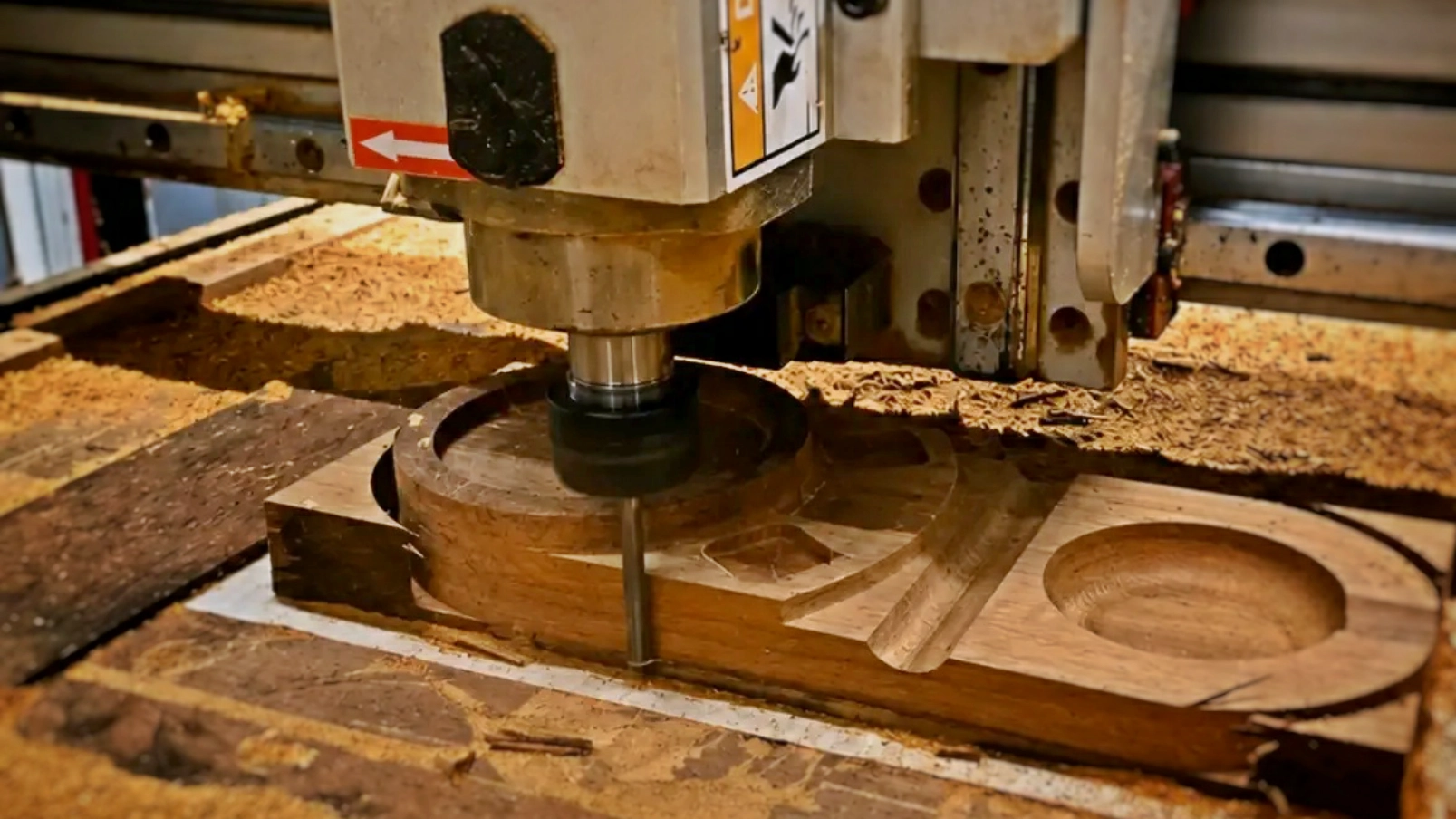
CNC technology is often described as the opposite of craft. We see it differently: as another tool for translating an idea into a physical object.